
No products in the cart.
Understanding the Different Types of Dress Codes
Whether you’re attending an office meeting, a wedding, or a casual gathering with friends, knowing how to dress appropriately makes a lasting impression. Dress codes exist to set expectations for how people should present themselves in different environments. While fashion trends evolve, the fundamental dress code categories remain the same. Understanding these standards helps you communicate professionalism, respect, and personal style—without guessing what to wear. Let’s break down the most common dress codes and what each truly means.
1. Casual Dress Code
The most relaxed and comfortable among all dress codes, casual wear lets you be yourself. Think everyday clothing—jeans, polos, t-shirts, sneakers, and comfy sweaters. Although it’s laid-back, casual doesn’t mean messy; neat, clean, and well-fitted attire still matters.
Best for: Weekend outings, family gatherings, casual hangouts, travel.
Go-to pieces: Jeans, polos, sweatshirts, casual shirts, sneakers.
2. Smart Casual Dress Code
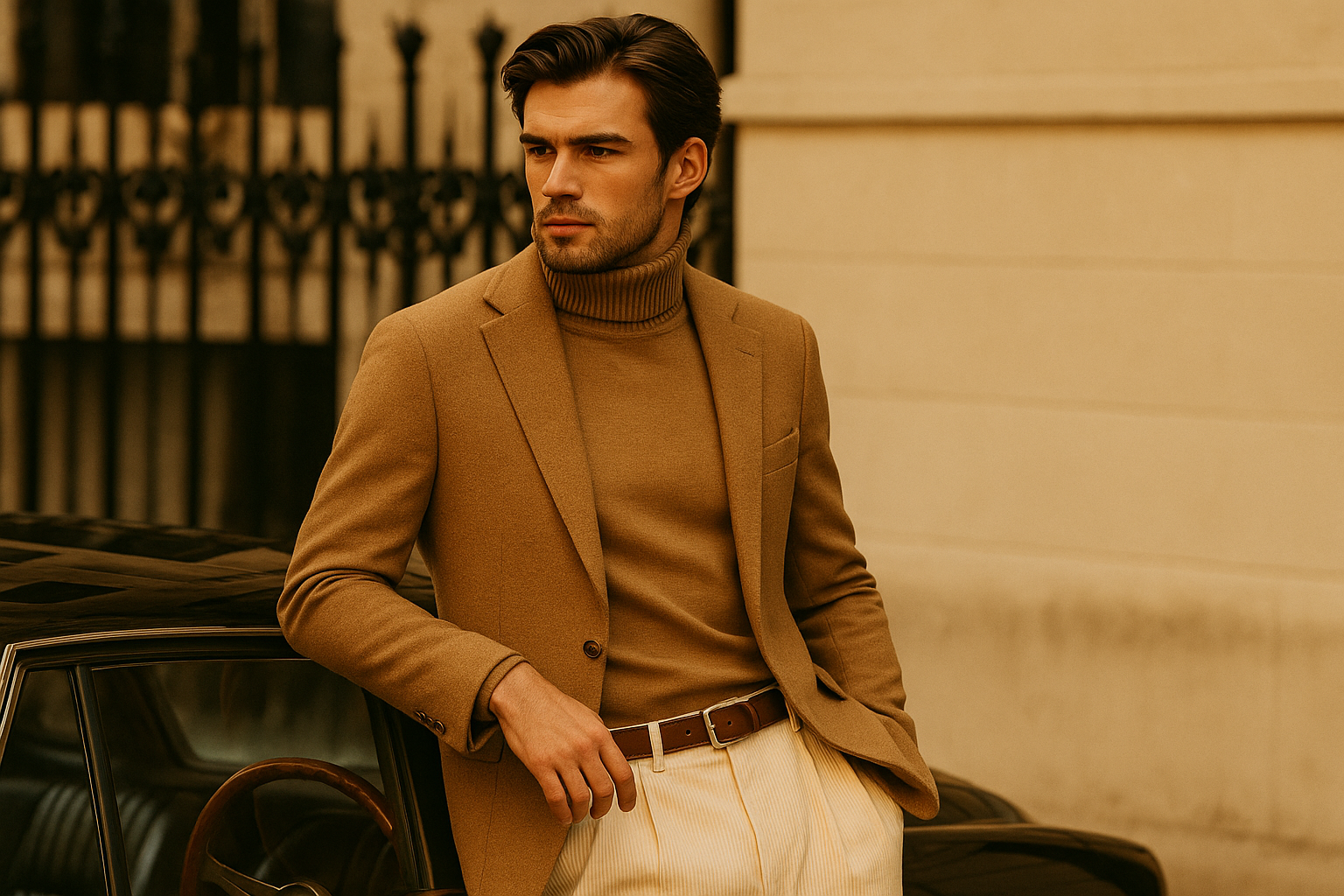
A step above casual, smart casual offers a polished yet approachable look. It’s perfect for people who want comfort without sacrificing style. This dress code blends relaxed items with sleek pieces, like well-fitted denim paired with a blazer or a stylish sweater with chinos.
Best for: Informal office days, dinner dates, semi-professional settings.
Go-to pieces: Blazers, chinos, smart polos, loafers, minimal accessories.
3. Business Casual Dress Code
Business casual is one of the most misunderstood dress codes, yet it’s widely used in workplaces. It sits comfortably between professional and relaxed clothing—no suits required, but jeans are usually off-limits. Aim for crisp, clean, and structured outfits that convey competence and confidence.
Best for: Corporate offices, interviews, presentations, networking events.
Go-to pieces: Dress shirts, sweaters, trousers, pencil skirts, low heels, loafers.
4. Business Formal Dress Code
Reserved for high-level meetings and professional events, business formal demands sophistication. This is where suits and tailored clothing come into play. The focus is on sharp silhouettes, neutral tones, and refined details—nothing too flashy or overly casual.
Best for: Board meetings, formal interviews, corporate dinners.
Go-to pieces: Suits, dress pants, blazers, ties, formal shoes, elegant watches.
5. Cocktail Dress Code
Cocktail attire bridges the gap between evening wear and business attire. It’s stylish, festive, and designed to make an impression. While women often opt for chic dresses, men typically wear tailored suits or dress shirts with smart trousers.
Best for: Evening events, receptions, celebrations.
Go-to pieces: Little black dresses, tailored blazers, polished shoes, statement accessories.
Why Dress Codes Matter
- Dress codes do more than dictate outfits—they influence perception. Dressing appropriately:
- Reflects your personality and sense of style
- Shows respect for the occasion and host
- Enhances confidence and self-expression
- Makes social and professional interactions smoother
Understanding dress codes eliminates confusion and empowers you to dress with purpose. Once you master the difference between casual, business casual, smart casual, and formal attire, getting ready for any occasion becomes effortless. Remember: fashion is not just what you wear—it’s how you present yourself to the world.
With thoughtfully curated pieces, brands like Milano Atelier make it easier to find clothing that aligns with every style and dress code. Express yourself confidently, one outfit at a time.